Choosing the Right Pond Space and Initial Planting Plan
Careful site selection sets the foundation for a thriving pond. Assess sunlight, drainage, and surrounding vegetation to ensure your pond plant choices thrive without creating excessive shade or root competition. Start with a simple plan: designate zones for deep-water water lilies, mid-depth marginal pond plants, and shallower edging plants. A well-thought layout helps fish and frogs find shelter while keeping algae growth in check as seasons shift. For a deeper look, see Buy Water Lilies.
When you begin sourcing plants, consider a mix of water lilies for central structure and marginal pond plants for the shoreline to soften edges, providing habitat and visual depth. A balanced selection of British pond plants supports local ecosystems and tends to be more resilient in variable weather. For a ready-to-assemble option, many gardeners start with a small container pond that allows rapid testing of location and light exposure before expanding the pastime to a larger garden feature. Buy Water Lilies can be a bright anchor for the deeper zones.
Depth and Plant Placement
- Water lilies thrive in 60-90 cm of depth, depending on variety; avoid overly shallow zones that stress flowers.
- Marginal pond plants prefer 15-30 cm of depth, providing readable contrast along the bank.
- Distribute plants to create soft, layered silhouettes as you view the pond from multiple angles.
Water Lilies: Varieties, Care, and Seasonal Rhythm
Water lilies bring elegant blooms and a sculptural presence that anchors the pond’s top layer. Choose varieties based on your climate and sun exposure: hardy types for cooler British seasons and tropical variants if you heat the pond or extend the growing window. Regularly check the rhizomes for crowding, allowing each tuber to spread without suffocating neighbors while maintaining a clear water column for gas exchange.
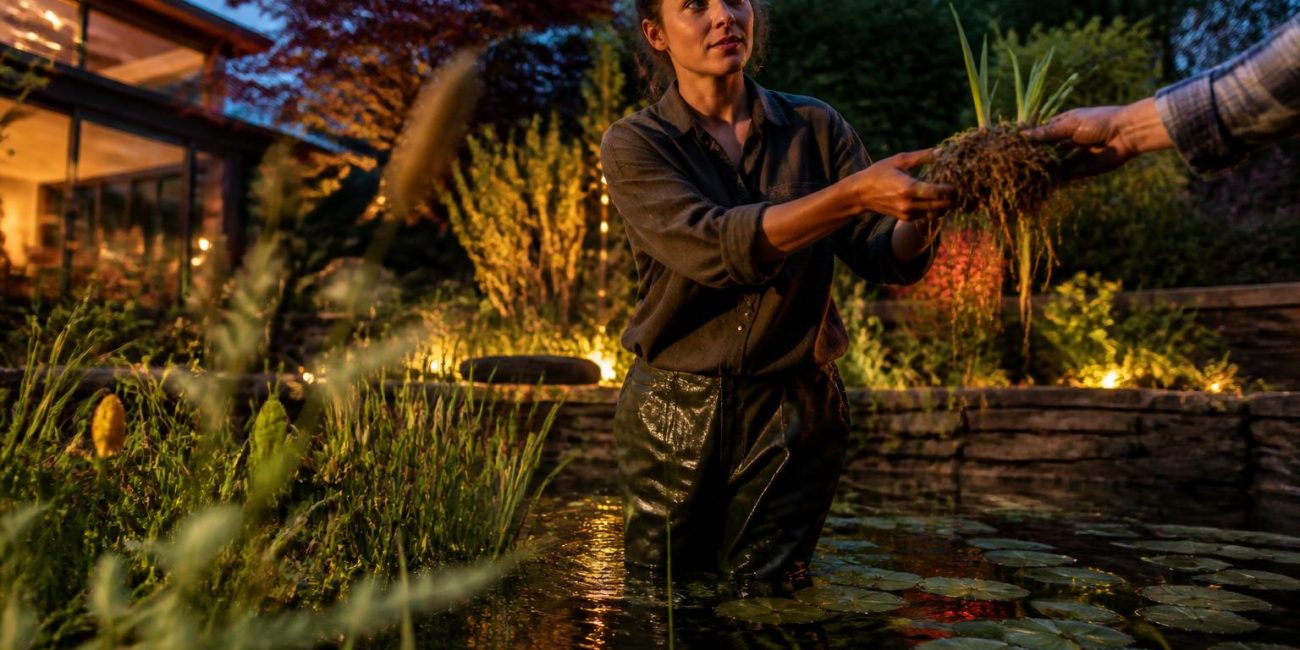
Seasonal care for water lilies includes repotting every 2-3 years to refresh nutrients and prevent root-bound growth. Remove dead leaves promptly to reduce decay and algae, especially during summer when sunlight intensifies. In autumn, trim back fallen debris and prepare the plant for dormancy by lowering feeding slightly. This rhythm keeps the bloom cycle consistent and reduces pond maintenance burdens for the busy gardener.
Feeding and Water Quality Considerations
- Use slow-release aquatic fertilizers to support root growth without provoking algae blooms.
- Monitor water pH around neutral to slightly alkaline for most water lilies to perform best.
- Ensure good aeration and circulation, especially in warm afternoons, to maintain clear water.
Marginal Pond Plants: Edges That Frame the Scene
Marginal plants provide a natural transition between water and land, softening edges and offering shelter for small wildlife. Species chosen should tolerate wet feet and occasional drought while remaining visually distinct from deeper-water forms. Plant depth and spacing are crucial: placing some specimens slightly farther back creates depth cues, while others edge the bank with dramatic texture and color for viewing from seating areas.
Consider a mix of native and British pond plants to support local pollinators and wildlife. These species often require less fertilizer and have a proven track record in our climate, delivering reliable performance year after year. When arranging margins, use varying leaf shapes, heights, and seasonal color to keep the scene engaging as plants grow and shed foliage through successive seasons.
Texture and Color in Marginals
- Choose tall iris or pickerel weed for vertical accents; pair with low, rosette-forming plants for contrast.
- Incorporate evergreen varieties for winter structure and seasonal color in other months.
British Pond Plants: Native Strength for Local Gardens
Using British pond plants strengthens the local ecosystem by supporting beneficial insects and native amphibians. Native species tend to be hardy, resist disease, and tolerate our distinct wet-dry cycles better than exotic varieties. Plant a mix that includes both submerged and emergent species to create diverse microhabitats that stabilize water quality and offer a glossier, more natural look to the overall pond design.
When integrating British pond plants, consider seasonal flowering and foliage patterns to maintain visual interest. A thoughtfully chosen assortment keeps the pond vibrant from spring through autumn. Even small ponds benefit from a core group of reliable natives, ensuring maintenance remains manageable while delivering ecological benefits and a calming, garden-scale water feature for observers who enjoy quiet, no-people moments by the water’s edge.
Seasonal Rhythm: Maintenance Through the Year
Seasonal rhythm is built from regular checks and timely tasks. In spring, remove any winter debris, prune dead growth, and reintroduce plants that have overgrown their spaces. Early summer is ideal for fertilization and adjusting plant positions as growth accelerates. Late summer and autumn demand attention to water quality and leaf litter, preventing decay from clouding the water and feeding nuisance algae.
Throughout the year, maintain a simple schedule: test water quality monthly, trim back excess growth, and replace or refresh tired specimens with hardy, well-adapted plants. Use smart mulching around margins to suppress weeds and conserve moisture. A well-managed routine minimizes emergency fixes and keeps the garden pond looking tidy for peaceful, reflective moments.
Design Tips: A Harmonious, Low-Muss Garden Pond
A harmonious pond design balances color, form, and function. Begin with a focal point such as a water lily bloom hovering above a clear water surface. Surround this anchor with mid-height marginal plants and trailing species along the bank to create a natural frame. Aim for a balanced skyline and a variety of textures that remain engaging from different viewing angles while preserving fish and wildlife habitats.
Lighting and seating are practical finishes that enhance enjoyment. Place seating at a slight distance to avoid shading the pond and to appreciate the plant silhouettes as daylight shifts. Consider subtle underwater lighting or floating lanterns for occasional evening ambiance without disrupting wildlife behavior. The result is a serene, wildlife-friendly space that invites calm, no-people contemplation.