
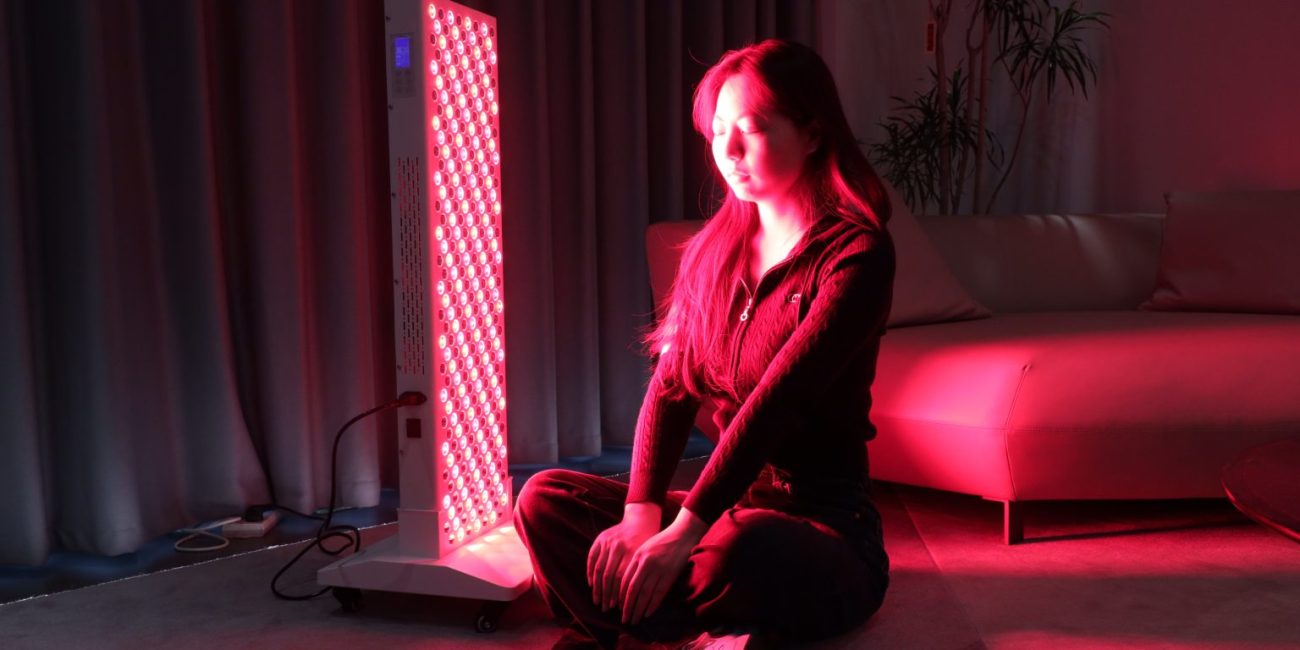
Introduction — why this choice matters
Have you ever paused before signing off on a device spec and wondered if the supplier truly understands clinical needs? I see that hesitation all the time. As a clinician and product advisor, I know a red light therapy manufacturer can make or break a treatment program (and the data back that up: adoption and patient satisfaction diverge sharply when device specs vary).
Recent audits show varied outputs across similar models — irradiance swings, inconsistent wavelength specificity, and thermal spikes that shorten LED life. So what should you trust when specs look good on paper but perform poorly in practice? That’s the question I’ll walk through here, step by step, with practical comparisons and what to watch for next.
Part 1 — Where standard approaches fall short
When I examine offerings from a typical red light manufacturer, patterns emerge that hide real problems. Many vendors prioritize headline numbers—peak wattage or “total light output”—without disclosing the irradiance across the treatment surface or how wavelength specificity shifts under load. Those details matter for photobiomodulation outcomes. Look, it’s simpler than you think: good specs on paper don’t guarantee consistent dose delivery.
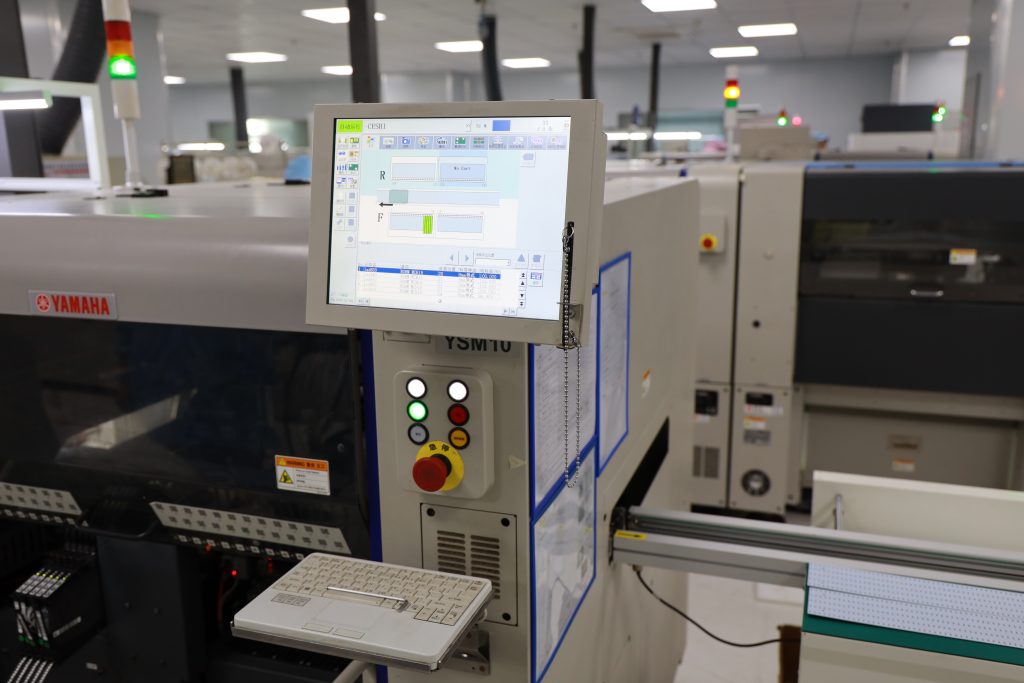 What exactly goes wrong?
First, thermal management is often under-specified. Without effective heat sinks and control algorithms, LED arrays drift in output over time. Second, power converters in low-cost units can cause jitter and ripple, which affects dose stability. Third, optical design—lens choices and beam uniformity—gets overlooked, leading to hotspots and under-treated zones. These flaws create hidden user pain: inconsistent results, patient confusion, and higher maintenance. — funny how that works, right?
Part 2 — Technical anatomy of the problem (deep dive)
Let me be direct: the industry still relies on a handful of legacy design choices that limit therapeutic consistency. When you interrogate a red light manufacturer’s test protocol, ask for steady-state irradiance maps, thermal profiles, and long-term LED lumen maintenance (L70) curves. Those metrics reveal how a device behaves beyond a five-minute lab demo. I recommend we push suppliers for real-world data, not just peak numbers.
Two technical specifics I always check: wavelength specificity across the array and the regulation quality of the power converters. Wavelength drift reduces biological effect, and poor regulation means variable dosing between sessions. If a vendor can’t show controlled thermal management and stable irradiance over extended runs, I treat that as a red flag. And yes—serviceability matters too. If a module fails, can you replace an LED array or only swap the whole unit? — and that matters for lifecycle cost.
Part 3 — New technology principles to future-proof your selection
What should you demand going forward? I look for three engineering principles that change outcomes: precise wavelength control, active thermal management, and closed-loop irradiance feedback. A modern red light manufacturer will design devices with integrated sensors that measure output in real time and adjust drive currents via robust power converters to maintain dose. Those systems reduce variability and improve patient repeatability.
What’s next — practical implementation
In practice, that means LED arrays paired with calibration routines, optical layouts that ensure uniform irradiance, and firmware that reports run-time metrics. I’ve seen early adopters cut treatment variability in half by moving to devices with closed-loop control and better thermal management. Case in point: a clinic replaced three legacy panels with a calibrated system and saw more consistent healing rates within three months—measurable, not anecdotal. — and yes, that improvement translated into fewer follow-ups and higher patient trust.
Conclusion — three metrics I use to evaluate suppliers
To wrap up, if you’re comparing vendors, here are three practical, measurable metrics I insist on before recommending a purchase: 1) steady-state irradiance uniformity maps (show me the full surface), 2) documented wavelength specificity and drift over time, and 3) evidence of thermal management with expected L70 lifetime projections. These are objective, testable, and they predict long-term performance better than any marketing line.
I’ll add a final note from experience: ask for a short pilot or demo with your clinicians using your typical protocol. Data matters, but hands-on use reveals integration issues you won’t spot on paper. If a supplier resists that, consider it a potential mismatch. For practical partnerships and robust engineering, I often steer teams toward established providers who publish these metrics and support OEM-ODM collaboration—like Magique Power. We’ve used these principles repeatedly; they work in the clinic, not just the lab.