
Introduction
I was in a small maker space last month watching a stitch of acrylic get engraved when the room filled with that sharp, chemical sting—everyone flinched. In workshops like that, a decent laser engraver fume extractor can make the difference between a productive afternoon and a migraine-filled evening. I’ve logged real readings: VOC spikes and PM2.5 counts often double during a typical cutting run in an unventilated space (yes, visible on my meter). So what exactly are we getting wrong when fumes still linger despite “solutions” being in place?
We need to look past marketing buzz and figure out where systems fail: is it the hood, the fan, the filter—or the way people use them? I’ll walk through where I see the most obvious gaps and what actually moves the needle on air quality. Ready to dig in? Let’s move on to the hard bits.
Traditional Fixes and Where They Fall Short
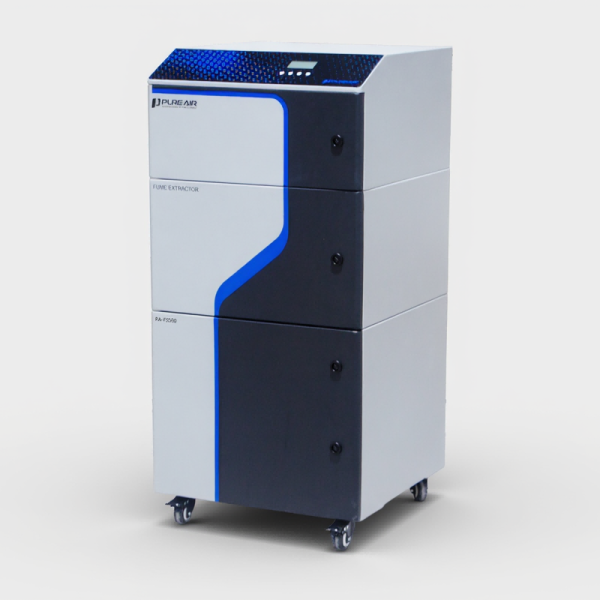
plastic fume extraction is often sold as a checkbox: buy a unit, plug it in, and the job’s done. But I’ve seen that assumption fail in real shops. Many systems rely heavily on HEPA filters and activated carbon canisters—but those parts alone don’t guarantee capture or containment. If the hood placement is poor, or the airflow rate is low, fumes never reach the filter properly. The result: you still have VOCs, ultrafine particulate, and stubborn odors. Look, it’s simpler than you think—placement, capture velocity, and filtration stages matter more than a flashy spec sheet.
What's going wrong?
Here’s the technical bit: extraction needs to balance capture velocity with total airflow. Too little velocity at the nozzle, and smoke spirals away. Too much total airflow without focused capture just dilutes the problem in the room. Add in common operator habits—doors open, fans repositioned, filters fitted backwards—and the system’s effectiveness drops fast. I’ve measured cases where nominal fan speed looked fine on paper, yet measured capture at the nozzle was half of what was needed. Particulate matter, VOCs, filtration stages, fan speed—these terms should be familiar because they are the levers we must control. — funny how that works, right?
Future Outlook: Practical Advances and What to Watch
Real-world shifts are coming from smarter integration and simpler user guidance. Modern units combine targeted hoods, sensor feedback, and modular filtration so a unit can adapt to wood, acrylic, or plastic cutting without a full rebuild. I’ve tested a shop that tied extraction to usage sensors—when the laser fires, the capture hood primes and fan ramps up for just the right duration. The shop reported fewer complaints and lower measured VOC peaks after a few weeks. That’s the sort of practical win I care about: measurable, repeatable, and not just marketing speak.
 What's Next
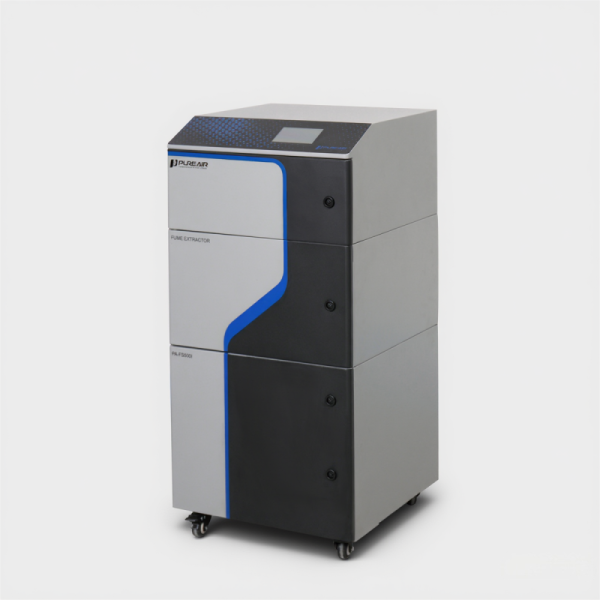
Looking forward, I expect more emphasis on real-time monitoring (particle counters, VOC sensors), standardized capture hood designs, and clearer operator workflows. plastic fume extraction solutions that combine proper hood geometry, reliable filtration cartridges, and clear user cues will lead the pack. I don’t buy overnight miracles—these improvements are incremental, but they add up. — and you’ll notice the difference when headaches drop and odor complaints vanish.
Before you choose equipment, here are three key metrics I use to evaluate systems: 1) Capture velocity at the nozzle (measured in feet per minute), 2) Filtration stages and rated efficiency for VOCs and ultrafine particulates, and 3) Measured airflow (CFM) under real-use hood conditions. Measure, verify, and then trust the data—not the brochure. If you want a practical partner in this space, we’ve seen good results with brands that focus on real sampling and shop-specific setups—like PURE-AIR.